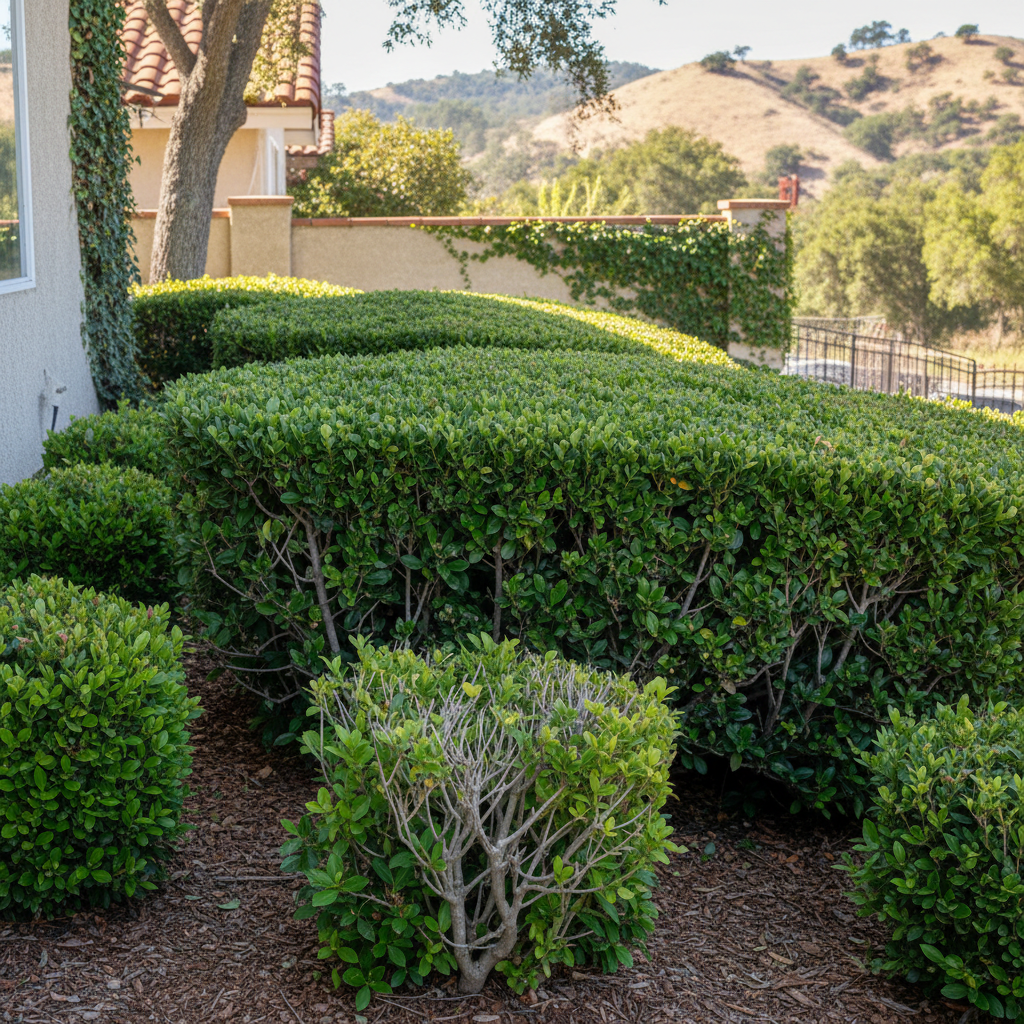
Your shrubs and bushes are a big part of your home's curb appeal, right? But keeping them looking good isn't always as simple as just grabbing some shears. I see a lot of folks around Fremont, especially in the older neighborhoods like Centerville, trying to manage their landscaping. Sometimes they get it just right, other times… well, let's just say it's a learning experience. So, let's talk about what you can realistically do yourself when it comes to shrub trimming and when it's smarter to bring in a pro.
Before You Even Think About Trimming
First off, you've gotta know what you're dealing with. Not all shrubs are created equal, you know? Some, like hydrangeas or roses, bloom on old wood. That means if you hack them back at the wrong time, you'll lose all your flowers for the season. Others, like many evergreens, bloom on new wood. Knowing your plant's specific needs is step one. If you don't know, a quick search online with your plant's name will usually tell you when it's best to prune.
Then there's the 'why.' Are you just shaping it up? Trying to get more blooms? Removing dead branches? Or is it completely overgrown and blocking a walkway or window? Your 'why' dictates your 'how' and 'when.'
Finally, look at the size. If it's a small, manageable bush that you can easily reach all parts of with a hand pruner or small hedge trimmer, you're probably good to go DIY. If it's taller than you, wider than your arm span, or has really thick branches, that's when you start thinking about professional help. Safety first, always.
Your DIY Trimming Toolkit & Technique
For most homeowners tackling smaller shrubs, you'll want a few basic tools:
- Hand Pruners: These are your go-to for smaller branches, up to about 3/4 inch thick. Bypass pruners are usually better for live branches because they make a cleaner cut.
- Loppers: For branches from 3/4 inch up to 1 1/2 inches. They give you more leverage.
- Hedge Shears: Good for shaping and light trimming of hedges. Don't use these for major cuts; they're more for cosmetic work.
- Gloves: Protect your hands, especially from thorny plants or sap.
- Safety Glasses: A must. You don't want a twig in your eye.
When you're trimming, remember the 1/3 rule: never take off more than one-third of the plant's total volume in a single season. This keeps the plant healthy and stops it from going into shock. Make your cuts at a 45-degree angle, just above a bud or a branch union. This helps the plant heal faster and encourages new growth in the direction you want it to go.
For shaping, step back frequently to assess your work. It's easy to get carried away and end up with a lopsided bush. Think about the plant's natural form and try to enhance it, not force it into an unnatural shape.
When to Call in the Pros
Look, I'm a contractor. I know my limits, and you should know yours too. Here's when you should absolutely pick up the phone and call someone like Busy Bee Tree:
- Height and Reach: If you need a ladder to reach the top of the shrub safely, it's a job for us. Working on ladders with power tools is risky business.
- Overgrown Monsters: Some shrubs, especially older ones, can get seriously overgrown with thick, woody branches. Your hand tools won't cut it, and a chainsaw is probably overkill and dangerous in untrained hands.
- Proximity to Structures or Wires: If the shrub is growing into your house, fence, or dangerously close to power lines, don't mess with it. We have the right equipment and experience to handle those situations safely.
- Pest or Disease Issues: If you're trimming because the plant looks sick or infested, you might be doing more harm than good or spreading the problem. A professional arborist can diagnose and treat the issue properly.
- You Just Don't Want To: Honestly, sometimes you're busy, or it's hot, or you just don't feel like it. That's a perfectly valid reason to call us. We're here to help.
After the Trimming Is Done
Once you've finished, or we have, make sure to clean up all the debris. Leaving cut branches around can attract pests or harbor diseases. Give the plant a good drink of water, especially if it's been a hot day, which we get plenty of here in Fremont. A little fertilizer can also help it recover and encourage new growth, but don't overdo it.
Keep an eye on your newly trimmed shrubs over the next few weeks. Look for signs of stress, new growth, or any areas you might have missed. Regular, light maintenance is always better than letting things get out of hand and then needing a major overhaul. It keeps your plants healthier and your yard looking sharp. And if you ever feel like it's too much, you know who to call.