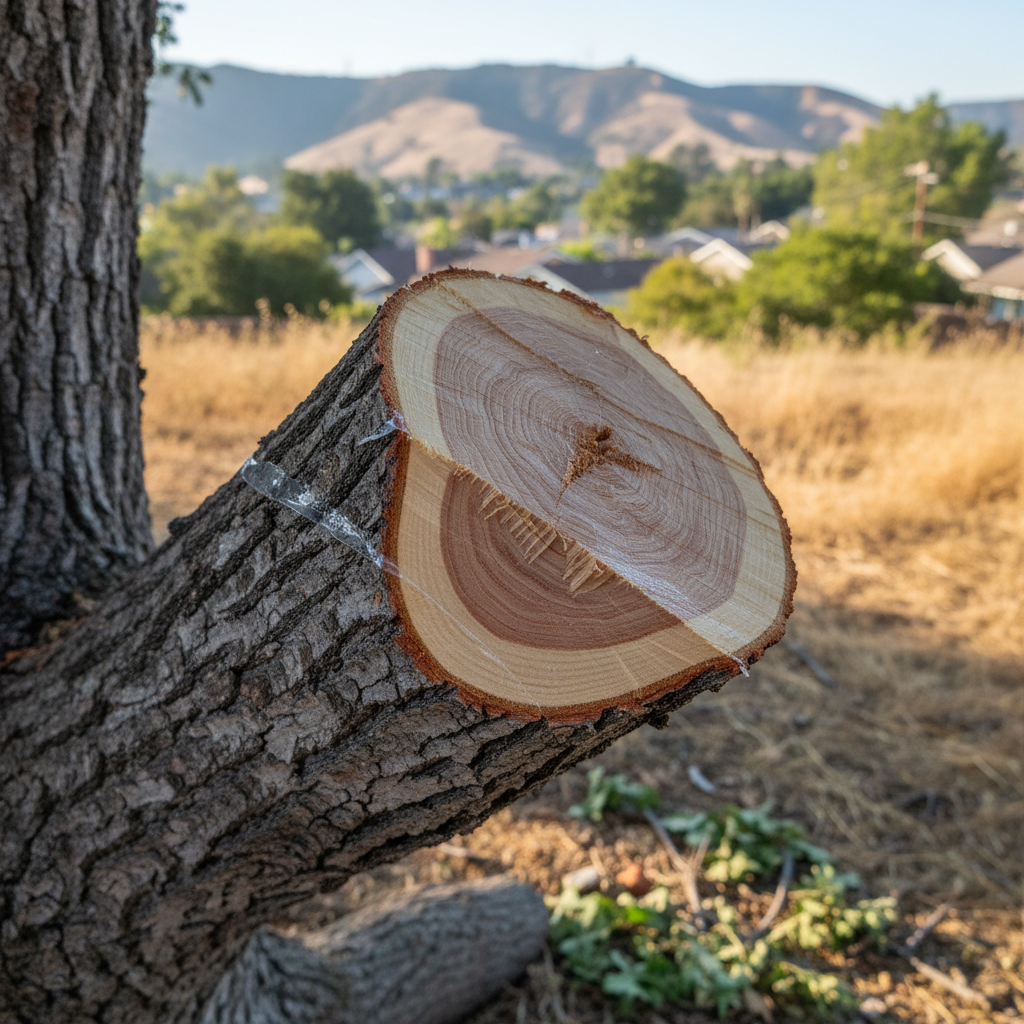
Alright, let's talk about pruning. Every spring and fall, I get calls from homeowners in Fremont wondering if they can just go at their trees with a saw or if they really need to hire someone. It's a fair question, and honestly, a lot of it depends on the tree, the cut, and your comfort level.
Before You Even Think About Cutting
First things first, know your tree. Seriously. Is it a young fruit tree you're trying to train, or a mature oak shading your whole yard? The approach is totally different. You'll want to know what kind of tree it is because that dictates the best time to prune and what kind of cuts it can handle.
Next, get the right tools. Don't try to prune a thick branch with a pair of rusty hand pruners. You'll just mangle the branch, which is bad for the tree and frustrating for you. For small stuff, say branches less than an inch thick, sharp bypass pruners are your friend. For branches up to 2 inches, loppers work well. Anything thicker? You're probably looking at a pruning saw. And make sure everything's clean and sharp. Dull tools tear bark, inviting disease.
Think about safety, too. Are you comfortable on a ladder? Is the branch you're eyeing over power lines? If you're on a wobbly ladder reaching for a heavy branch, you're asking for trouble. I've seen too many DIY pruning accidents in places like the Niles District, and trust me, a trip to the ER costs way more than hiring a professional.
What You Can Probably Do Yourself
For most homeowners, light pruning is totally doable. We're talking about:
- Deadwood removal: If a branch is clearly dead – no leaves, brittle, maybe even discolored – you can usually snip it off. Just make sure you're cutting back to live wood or the branch collar.
- Sucker and water sprout removal: These are those fast-growing, often vertical shoots that pop up from the base or along branches. They don't contribute much to the tree's health or structure, so you can prune them off anytime.
- Small limb clearance: If a small branch is rubbing against your house or blocking a walkway, and it's easily reachable from the ground or a stable step ladder, go for it. Keep the cuts clean and don't take off more than 25% of the tree's canopy in a single season.
- Young tree shaping: If you've got a young tree, say less than 10-15 feet tall, you can often do some light shaping to encourage good structure. This means removing crossing branches or those growing inwards.
Remember, the goal with DIY pruning is usually maintenance, not major structural changes. You're tidying up, not redesigning the tree.
When It's Time to Call a Pro (Like Busy Bee Tree)
Here's where you need to be honest with yourself. There are definitely times when you should just pick up the phone and call a licensed, insured arborist. That's us, Busy Bee Tree, by the way!
- Large branches: Anything over 2-3 inches in diameter, especially if it's high up or near your house. These cuts require proper technique to avoid tearing bark and can be dangerous if the branch falls unexpectedly.
- Major structural pruning: If your tree needs significant reshaping, thinning, or limb reduction, you need someone who understands tree biology and how to make cuts that won't harm the tree long-term. This isn't just about making it look good; it's about the tree's health and stability.
- Trees near power lines: This is a big one. Never, ever mess with branches near power lines. It's incredibly dangerous. Call PG&E first, then an arborist if they say it's okay.
- Storm damage: After a big storm, you might have broken or hanging branches. These are hazardous and often require specialized equipment and expertise to remove safely.
- Diseased or infested trees: If you suspect your tree is sick or has a pest problem, a professional can diagnose it and recommend the best course of action, which might include specific pruning techniques or treatments.
- Trees that are too tall for you: If you need to get on a ladder higher than a few steps, or if you're reaching awkwardly, it's not worth the risk. Especially with our clay soils here in Fremont, trees can sometimes shift, affecting their stability and making high pruning even riskier.
After the Pruning Is Done
Once the cuts are made, whether by you or a pro, clean up the debris. Don't leave large piles of branches around, as they can attract pests. Keep an eye on your tree in the weeks and months following the prune. Look for signs of stress, new growth, or any issues around the cut sites. A healthy tree should bounce back just fine.
Pruning is essential for a tree's health and appearance, but it's not something to rush into without thought. Do what you can safely and effectively, and don't hesitate to call Busy Bee Tree for the bigger, more complicated jobs. We're here to help keep your Fremont trees healthy and beautiful.