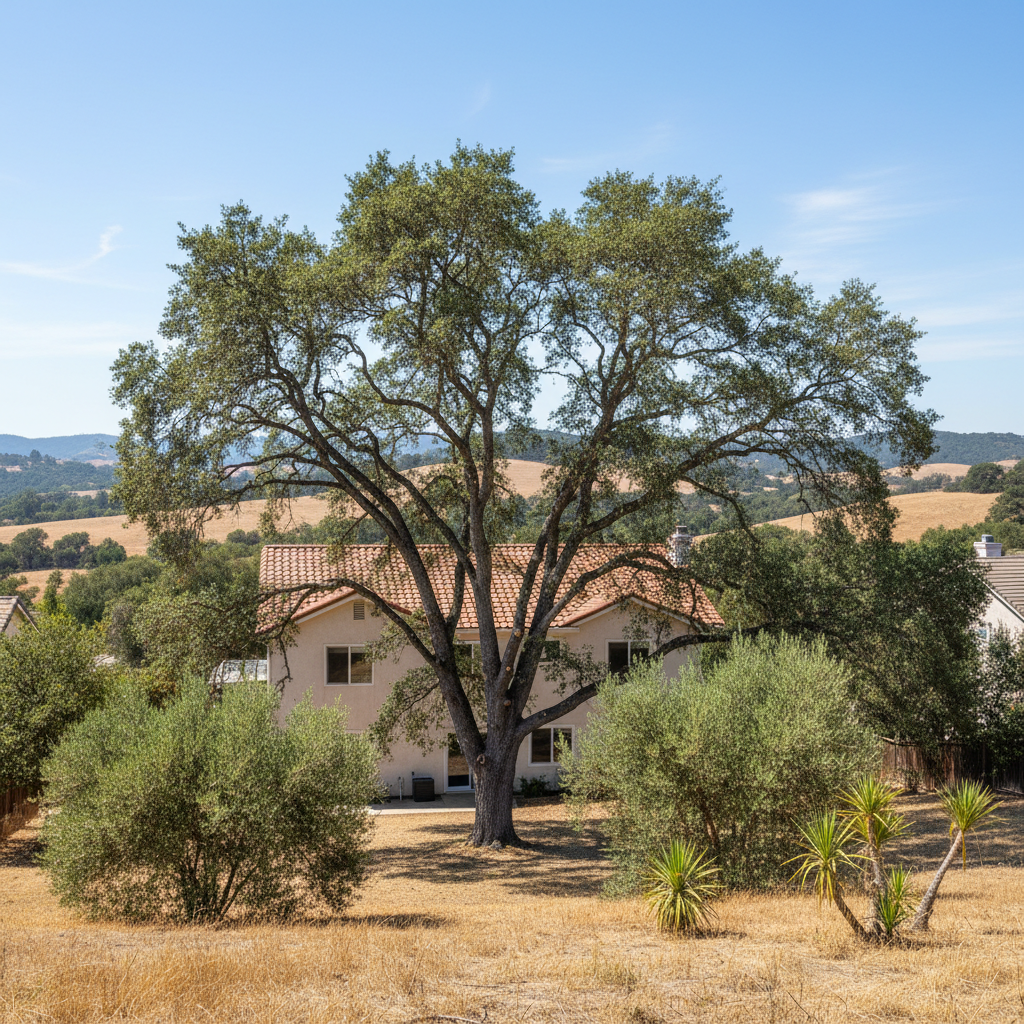
You've got trees, and you know they need looking after. But when's the right time to prune them here in Fremont? It's not a one-size-fits-all answer, especially with our unique Bay Area climate. Getting the timing right makes a huge difference for your tree's health, its growth, and even its safety during those winter storms.
Why Timing Your Pruning Matters
Think of pruning like a surgical procedure for your tree. You wouldn't want surgery at the wrong time, right? The same goes for trees. Pruning at the right time minimizes stress, promotes healthy growth, and helps the tree recover faster. Do it wrong, or at the wrong time, and you could actually weaken it, make it more susceptible to disease, or even stunt its growth.
Our climate here in Fremont is pretty mild, but we still get distinct seasons that impact tree biology. We don't have super harsh winters with deep freezes like some parts of the country, but we do get our share of dry spells and then heavy rains. That affects when a tree is dormant, when it's actively growing, and when it's best to cut.
The Best Time: Winter Dormancy (Late Fall to Early Spring)
For most deciduous trees – that's the kind that loses its leaves – the absolute best time for major structural pruning is during their dormant period. This usually means late fall, after the leaves have dropped, through late winter, before the new buds start to swell. For us in Fremont, that's typically from about November to February.
- Why it's great: When a tree is dormant, it's not actively pushing sap or growing new leaves. This means less stress on the tree when you make cuts. It also reduces the risk of disease transmission, as many pathogens are less active in colder weather. Plus, without leaves, it's much easier for me or my crew to see the tree's full structure and make precise cuts. You can really get in there and identify crossing branches, weak spots, or dead wood.
- What to prune: This is the time for heavy structural pruning, removing large dead branches, shaping the canopy, or reducing the overall size.
Spring & Summer Pruning: Use with Caution
You can do some light pruning in spring and summer, but you need to be careful. This is when trees are actively growing, so every cut is a bigger deal.
- Spring (March-May): After new growth has emerged, you can do some light shaping or remove small dead or diseased branches. Avoid heavy pruning, though, as it can stress the tree and remove too much of its energy-producing leaves. If you have any flowering trees, like a Jacaranda or a Cherry tree, you'll want to prune them right after they finish flowering to avoid cutting off next year's blooms.
- Summer (June-August): Generally, I'd say avoid major pruning in summer unless it's absolutely necessary for safety reasons. Removing too much foliage during the hottest, driest part of the year can stress the tree, especially if we're in a drought. It can also expose bark to sunburn, which isn't good. The only exception might be to remove suckers or water sprouts, which are those fast-growing shoots that pop up from the base or along branches.
What About Our Fremont Weather?
Our weather definitely plays a role. We get those dry, hot summers, followed by our rainy season. You want to avoid pruning right before a major heatwave, as the tree will need all its leaves for cooling and moisture retention. And if we've had a really wet winter, the soil can be super saturated, especially in some of the clay-heavy areas around Mission San Jose. That can make it tricky for heavy equipment, and it's just not ideal for the tree to be recovering from pruning when it's waterlogged.
High winds are another factor. We get some pretty strong gusts coming through the Altamont Pass sometimes. Pruning weak or overhanging branches before the heavy winter rains and winds hit is a smart move. It reduces the chance of storm damage, protecting your home and property. That's where a company like Busy Bee Tree really comes in handy – we're used to dealing with these conditions.
Protecting Your Investment Year-Round
Pruning isn't just a one-time thing. It's part of a year-round care plan. Beyond the seasonal cuts, here's what else you can do:
- Regular Inspections: Just walk around your property once a month. Look for anything unusual – discolored leaves, strange growths, cracks in the bark, or branches that look dead. Catching problems early can save you a lot of headache and money.
- Proper Watering: Even mature trees need water, especially during our long dry spells. Deep, infrequent watering is better than shallow, frequent watering.
- Mulching: A good layer of mulch around the base of your trees (but not touching the trunk!) helps retain soil moisture, regulate soil temperature, and suppresses weeds.
Ultimately, knowing when to prune can feel like a guessing game, but it doesn't have to be. If you're ever unsure about the best time or how to approach a specific tree on your Fremont property, don't hesitate to give us a call at Busy Bee Tree. We're here to help keep your trees healthy and your property safe, no matter the season.